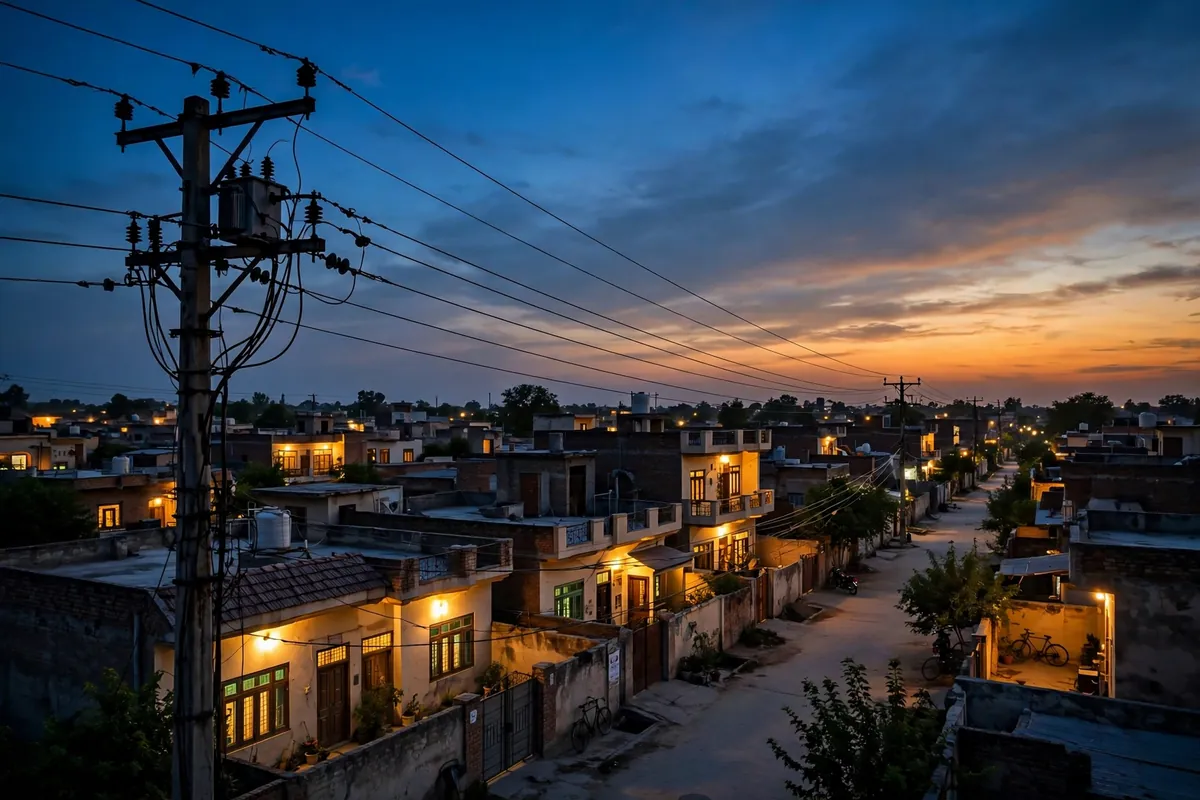
FESCO Peak Hours

Electricity does not cost the same at every hour of the day in Pakistan. If you receive a FESCO bill, understanding FESCO peak hours can help you manage your consumption and lower what you pay. This guide explains what peak and off-peak hours are, when they apply, and how you can use them to your advantage.
Peak hours are the period of the day when the demand for electricity across the country is at its highest. In Pakistan, this usually happens in the evening, when households switch on lights, fans, air conditioners, televisions and kitchen appliances at the same time.
Off-peak hours are all the remaining hours, when demand is lower and the power system is under less pressure. The off-peak hours for electricity usually include late night, early morning and most of the daytime.
Why Do Peak Hours Exist?
Electricity cannot be stored easily in large quantities, so power plants must generate it close to the time it is consumed. When demand rises sharply in the evening, the National Grid has to bring in additional and often more expensive generation capacity to meet it.
Peak hours exist to reflect this reality. They encourage consumers to spread their usage more evenly across the day, which supports load management and reduces the risk of overloading the system.
Peak Hours Timing in Pakistan Under NEPRA’s TOU Tariff

The National Electric Power Regulatory Authority (NEPRA) sets the framework for the Time of Use (TOU) tariff used by distribution companies, commonly known as DISCOs. FESCO, as one of these DISCOs, follows the schedule applicable to its consumers.
The standard peak hours timing in Pakistan is divided by season:
| Season | Months | Peak Hours | Off-Peak Hours |
|---|---|---|---|
| Summer | April to October | 7:00 PM to 11:00 PM | All other hours |
| Winter | November to March | 6:00 PM to 10:00 PM | All other hours |
In both seasons, the peak window lasts four hours. Every hour outside that window is treated as off-peak.
Why Does Electricity Cost More During Peak Hours?
Under the TOU system, a consumer is charged a higher rate per unit during peak hours and a lower rate during off-peak hours. These two rates are known as the peak tariff and the off-peak tariff.
There are three main reasons for the difference:
- Higher generation cost: Meeting evening demand often requires more expensive power sources.
- Network stress: Transformers, feeders and transmission lines carry their heaviest load at this time.
- Behavioural signal: A higher price encourages consumers to move flexible usage to cheaper hours.
The off-peak tariff is lower because supplying electricity at those times is less demanding on the system.
How a TOU Meter Records Peak and Off-Peak Units
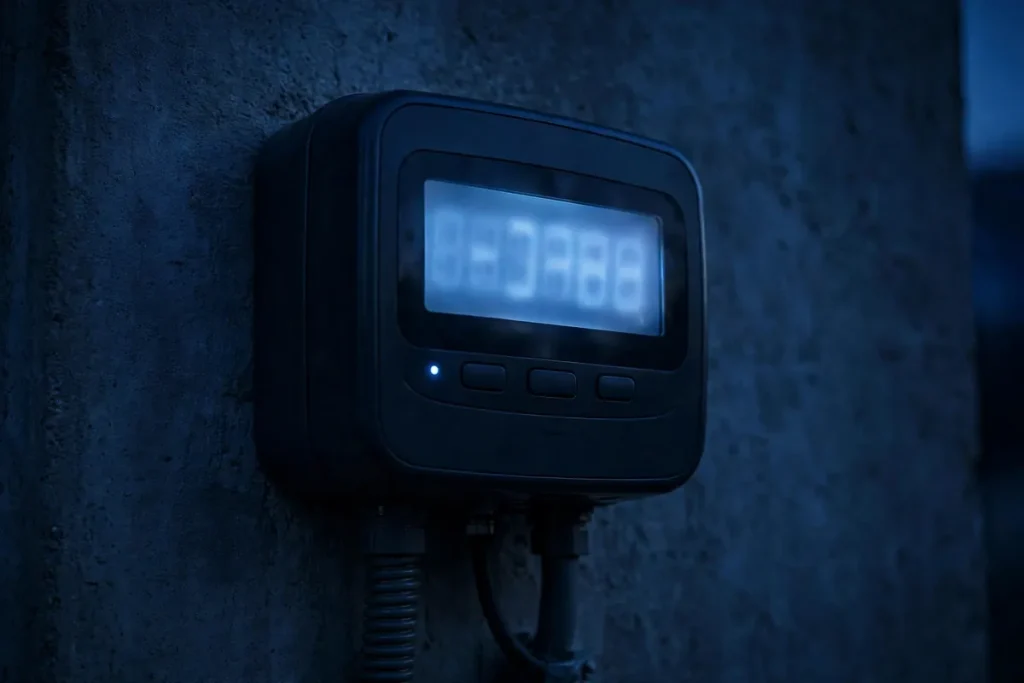
A TOU meter (time of use meter) is a digital meter designed to record electricity units separately according to the time they were consumed. Instead of showing a single total, it stores readings in different registers.
In simple terms, the meter keeps track of:
- Peak units: electricity used during the peak window
- Off-peak units: electricity used at all other times
- Maximum demand: the highest load recorded, where applicable
When your bill is prepared, the peak units are multiplied by the peak tariff and the off-peak units by the off-peak tariff. The two amounts are then combined with other charges and taxes.
This is why two households consuming the same total number of units can receive different bills. The one that uses more electricity off-peak will generally pay less.
Which Consumers Are Affected?
TOU billing mainly applies to consumers who have a TOU meter installed. These typically include:
- Three-phase connection holders
- Commercial consumers
- Industrial consumers
- Some larger residential connections, depending on the applicable category
Most ordinary single-phase domestic consumers are billed on a standard slab-based tariff, so peak and off-peak rates do not appear separately on their bills. If you are unsure which category you fall under, check the tariff section on your bill or contact your FESCO sub-division office.
Practical Tips to Use Off-Peak Hours and Save

If you have a TOU meter, small changes in routine can make a noticeable difference. The aim is not to use less electricity overall, but to use it at cheaper times.
Shift Heavy Appliances
- Water motors: Fill your overhead tank in the afternoon or late at night instead of during the evening.
- Washing machines: Run laundry cycles in the morning or after the peak window ends.
- Ironing: Iron clothes during the day rather than in the evening.
- Water heaters and geysers (winter): Heat water before 6 PM or after 10 PM.
Pre-Cool Your Home
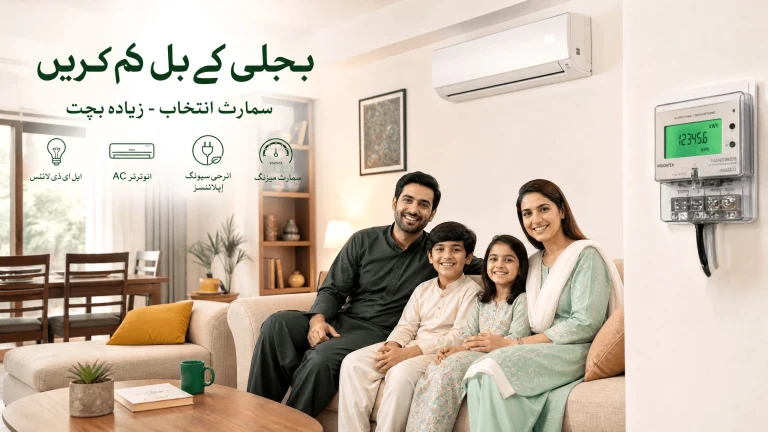
In summer, run your air conditioner in the late afternoon to cool rooms before 7 PM. Once the peak window begins, raise the thermostat slightly, use fans, and keep doors and windows closed to retain the cool air. Setting the AC to around 25–26°C also lowers consumption.
Build Simple Habits
- Switch off unnecessary lights and appliances between the peak hours.
- Avoid running several high-load devices at the same time.
- Use energy-efficient appliances, such as inverter ACs and LED bulbs.
- Check your meter or bill regularly to see how many peak units you are using.
Important Note: Timings Can Change
NEPRA may revise TOU timings and tariff rates from time to time. Seasonal dates and peak windows can also be updated through official notifications. Always check your latest FESCO bill or contact the company directly to confirm the schedule currently in force.
Frequently Asked Questions (FAQs)
What are the FESCO peak hours in summer?
During the summer season, from April to October, peak hours are from 7:00 PM to 11:00 PM under the standard TOU schedule.
What are the FESCO peak hours in winter?
From November to March, the standard peak window is 6:00 PM to 10:00 PM. All other hours are off-peak.
Do all FESCO consumers pay peak and off-peak rates?
No. These rates mainly apply to consumers with a TOU meter, usually three-phase, commercial and industrial connections. Most single-phase domestic consumers are charged on a slab basis.
How can I reduce my bill during peak hours?
Move high-consumption activities, such as running water motors, washing clothes and ironing, to off-peak hours. Pre-cooling your home before the peak window starts can also reduce AC usage in the evening.
Can the peak hour timings change?
Yes. NEPRA can revise timings and tariffs. Confirm the current schedule on your electricity bill or with FESCO.
Conclusion
Understanding FESCO peak hours is one of the simplest ways to take control of your electricity costs. Under NEPRA’s TOU framework, peak units cost more than off-peak units, and a TOU meter records each separately. By shifting heavy appliance use to off-peak hours, you can lower your bill without sacrificing comfort. Remember to verify the latest timings on your bill, since schedules may change.
Related Guides: FESCO Online Bill Check | What is FESCO | FESCO Meter Reading Schedule
Disclaimer: This is an unofficial informational website and is not affiliated with FESCO or the Government of Pakistan.

Hamza Bilal writes for FESCO Online Bill, sharing simple and accurate guides to help FESCO consumers check, understand, and pay their electricity bills online without any hassle.